
Scholarship-Leadership: The Feminist Journey Goes On…
Amy, Lisa, and Marysia, IFJP’s outgoing editors, scribble their parting thoughts. Debangana, IFJP Digital Media Editor (blog section), puts together their emotional journey!
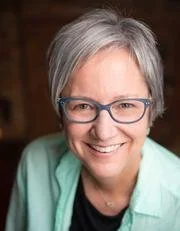
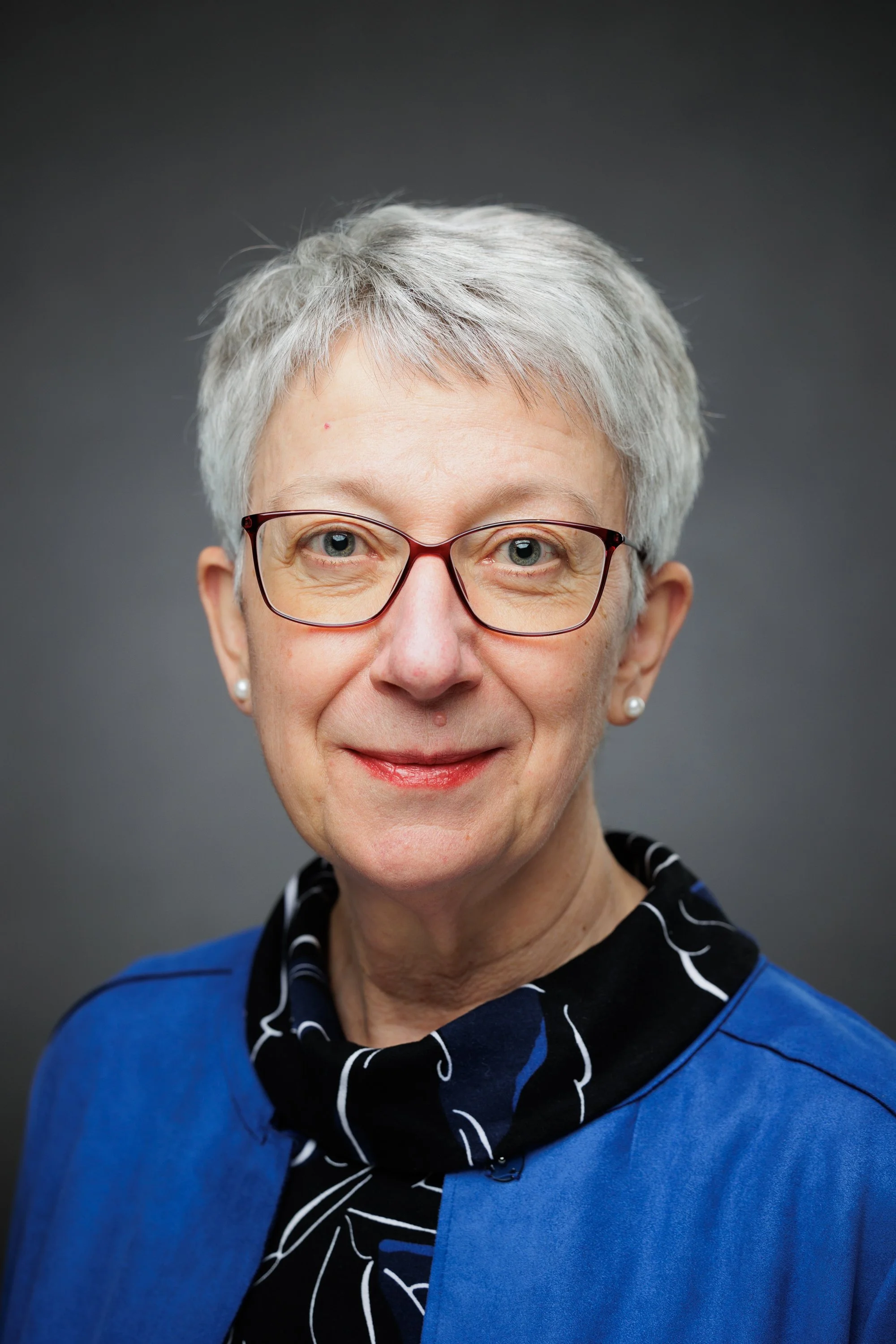

Three IFJP editors (from left to right), Amy Lind, Elisabeth Prügl, and Marysia Zalewski, stepped down at the end of 2025. While Amy and Elisabeth co-edited IFJP for the past four years, Marysia served two terms as an editor, making it a tenure of eight years. All three of them credit Ben Woolhead for his sterling work as Managing Editor over the last eight years and agree that the pivotal task of journal management would have been strenuous without his support.
Aside from the mammoth task of editing a journal, the outgoing IFJP editors consider their journey to have been both rewarding and daunting—rewarding in knowing that their efforts contributed to advancing feminist scholarship, and daunting in having to make painful academic decisions, fully aware of the unevenness of global academia. This dilemma makes editorial tasks even more challenging for a group of feminists committed to decolonising scholarship. From touching upon the value of feminist research in building bridges between the author and the reviewers to the growing concerns surrounding the use of AI and loss of originality, they revisit some of their bittersweet memories. They listed some things they loved, some they won’t miss, and others they wished they had known better.
Below are their words, reflecting on what they loved, what they didn’t like about their role, and what they learned in the process.
I
Here are some things we loved and will miss.
Working in a collective with amazingly creative and deeply committed people.
Being able to moderate the exchanges between reviewers and authors and helping turn articles into the best versions of themselves. (BTW, feminist reviewers are truly amazing.)
Publishing feminist research that has supported revolutions and will continue to do so in the future!
Learning so much from all the insightful work that passes through our hands and minds.
Being part of an increasingly transnational collective which (we hope) helps to make feminists feel less like they are on their own…
Working toward breaking barriers across linguistic, cultural, economic, and epistemic borders in and through our editorial practice – definitely a lifetime goal!
Imagining possibilities for a more just world alongside each other, across our respective positions and subfields/disciplines, especially during these difficult times.
II
Here are some things we won’t miss:
Night-time and very early morning online editors’ meetings connecting people from Ohio to New Zealand.
Writing annual reports.
Keeping track of a massive number of submissions and moving parts in the editing and production process.
Writing rejection letters.
Feeling bad about not responding to authors soon enough – keeping them waiting ….
Dealing with the trials and tribulations of authors who are increasingly using AI in their writing.
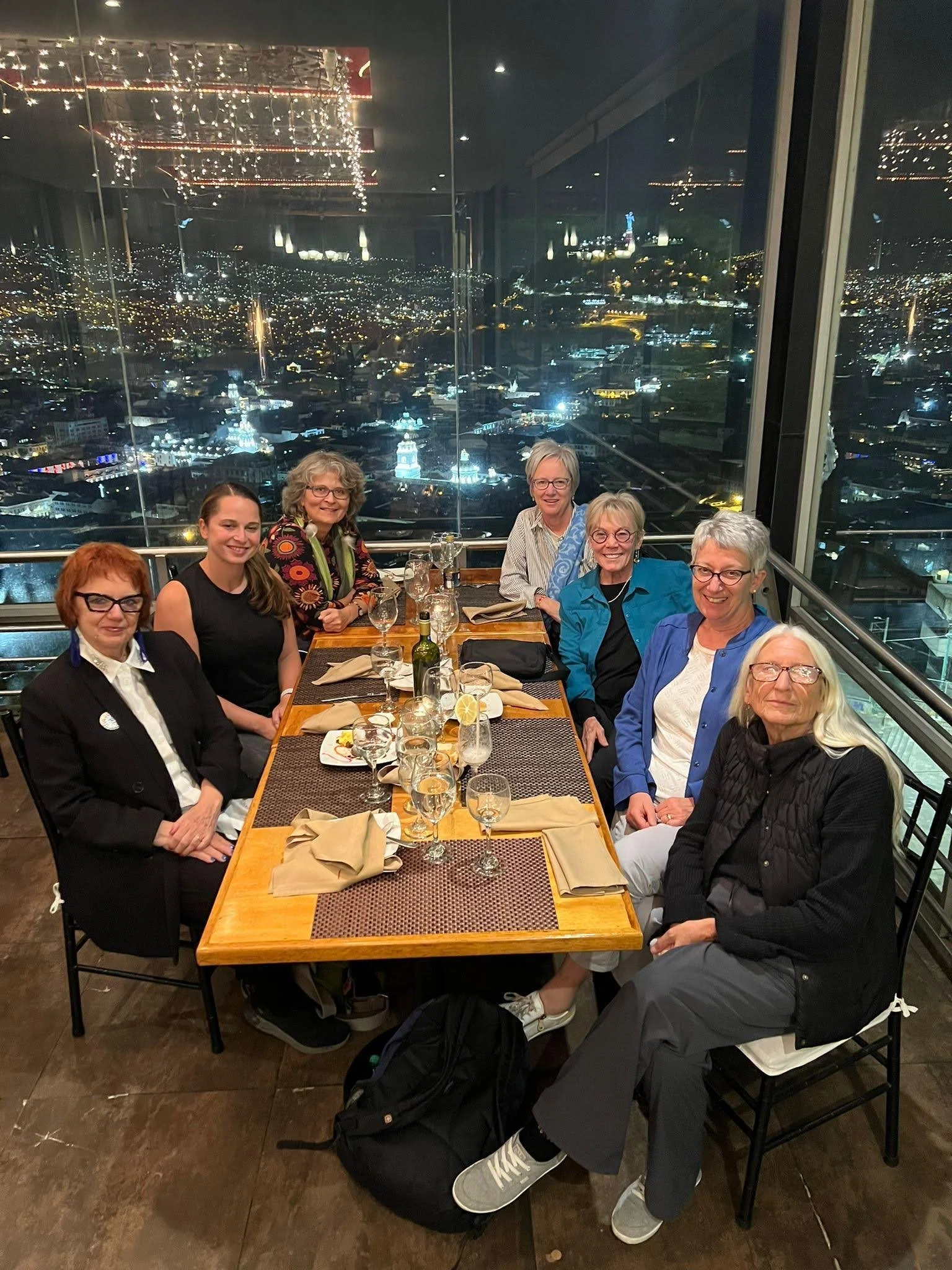
The 2023 conference, co-convened by IFJP and FLACSO Ecuador, was held in Quito, Ecuador, in September. From left to right: Marysia Zalewski, Kateřina Krulišová, Susanne Zwingel, Amy Lind, Spike Peterson, Elisabeth Prügl, Anne Sisson Runyan.
III
Here are some things we wish we had known and would like to pass on to the new team:
Editorial Board members are happy to help – call on them!
Special Issues are a great way to realize your editorial vision.
Organizing conferences and special issues, sometimes in multiple languages – as we have done with our conference partner institutions over the past four years – is a LOT of work! Make sure you have the team(s) you need to accomplish all of your goals.
The COPE guidelines for promoting integrity in scholarly publishing are invaluable!
ScholarOne becomes easier to manage after a while!Handling myriad situations—frivolous, joyful, disappointing, and occasionally infuriating—the outgoing editors show us the value of ‘patience’ in academia. From a begrudged author, to an unkind reviewer, from a delayed publication pipeline to continually evolving technical aspects of publishing and amidst all these, our outgoing editors maintain their stern commitment to feminist politics and academic rigour.
As they step down, one thing is clear: they will miss this work and this collective; indeed, deeply so. Still, they leave with hope and wish the new team’s visions for the journal unfold and flourish.
They remain committed to IFJP’s legacy of strong feminist support for current and future generations of scholars, and IFJP will continue to grow in their presence and fall back on their wisdom amidst the difficult times.